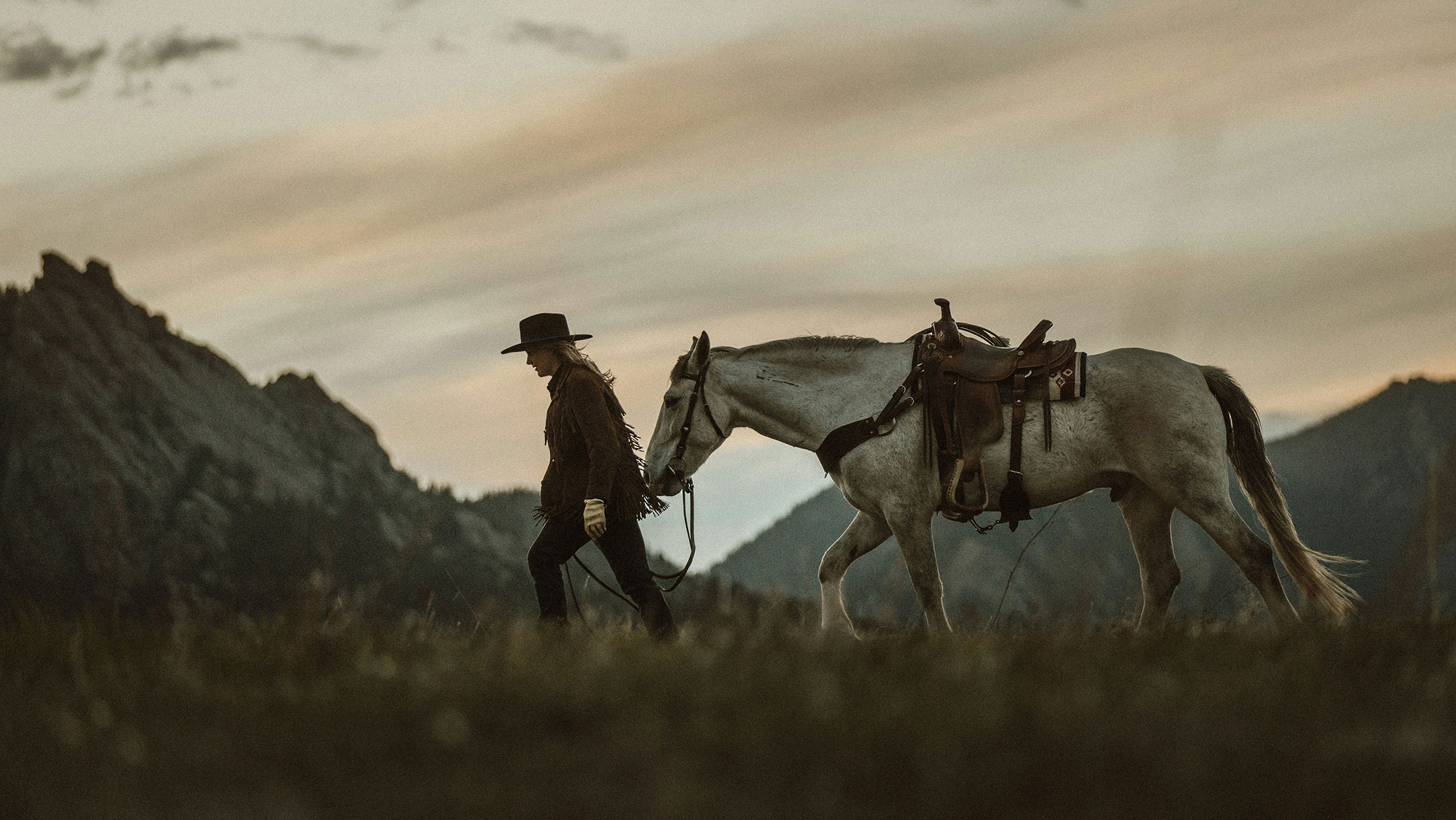
There’s something about a western brand that just hits. The dust, the grit, the rawness — it’s not polished, and it’s not trying to be. It’s real. And that authenticity is exactly what makes some western and ranch brands stand the test of time while trend-chasing brands fade in and out like last year’s denim wash.
If you’re building or refreshing a western or ranch brand today, you’re not just making a logo.
You’re tapping into one of the most iconic, enduring aesthetics in American design.
Let’s break down what makes it work — and why getting it right matters.
The Power of Grit: Why Imperfection Is the Point
Western branding isn’t about clean lines, sleek gradients, or techy sparkle.
It’s about texture.
Rough edges.
Sun-faded color.
Elements that feel lived-in, not lasered-out.
This aesthetic works because it communicates something instantly:
honesty. toughness. timelessness. place.
People don’t connect with perfection — they connect with the story behind the scratches.
That’s why good ranch and western branding leans into:
- Hand-drawn marks
- Weathered typography
- Earthy color palettes
- Imperfections that feel earned, not manufactured
In a world obsessed with minimalism and gloss, a gritty brand stands out because it feels like it belongs to something real.
The Legacy Brands Got It Right
Think about the old-school giants:
Marlboro
The Marlboro Man wasn’t just an ad — he was a full branding system wrapped in sun, dust, leather, and myth.
The typography? Heavy, serifed, confident.
The photography? Pure Americana.
The tone? Stoic, rugged, unapologetic.
Decades later, the brand still carries that weight. Even people who don’t smoke know that visual language by heart.
Wrangler
Wrangler didn’t chase fashion trends — they doubled down on who they were.
Utility. Durability. Real western workwear.
Their branding and advertising always came back to the same idea: these clothes are made for the real deal.
Today, the brand is still iconic because they stayed true to that position instead of pivoting every time denim culture shifted.
Both brands show the same truth:
Grit ages better than gloss.
Authenticity outlasts trends.
And consistency builds legend.
Western Brands Aren’t “Designed” — They’re Built
Modern ranch and western brands that land well don’t just look rustic — they feel rooted.
The best ones blend:
- A strong, symbolic mark (brands, badges, monograms, cattle tags, etc.)
- Typography that carries weight and heritage
- Patina, texture, and warmth
- A color system born from land, leather, metal, dust, sun, rope, hide
This isn’t decoration — it’s identity work.
And the moment a western brand looks too digital, too shiny, or too “template-y,” it loses everything that makes it resonate.
Why It Matters Today More Than Ever
We’re living in a hyper-digital world. Everything is crisp, algorithm-generated, and endlessly optimized.
So when people see a brand that feels handmade, rugged, and real?
It’s refreshing. It feels human.
That’s why the western aesthetic has exploded beyond ranch gates:
- Breweries
- Resorts
- Outdoor brands
- Lifestyle companies
- Restaurants and hospitality
- High-end apparel
People want brands with backbone and story — not just vibes.
Western design offers that story instantly.
Capturing Grit Takes Skill (and Restraint)
Here’s the funny part:
Designing something to look “simple” and “weathered” is harder than designing something clean and modern.
Grit without intention is just mess.
Texture without story is just noise.
Distressed typography without purpose feels cheap.
To nail the western aesthetic, a designer has to understand:
- The history
- The culture
- The symbolism
- The visual language
- The difference between “authentic” and “Pinterest cowboy”
The goal isn’t just to make something western-styled —
It’s to make something western that feels like it could have existed 80 years ago and still feel relevant today.
That’s what Marlboro accomplished.
Wrangler too.
That’s what the best western brands still do now.
The Bottom Line: Grit Is a Brand Strategy
A strong western or ranch brand isn’t about nostalgia — it’s about truth.
It works because it’s honest.
It works because it’s grounded.
It works because it taps into something deeper than style: identity, heritage, and work ethic.
When you build a brand with grit — intentional grit — you’re not just making a logo.
You’re building something that lasts.
Something with weight.
Something with character.
Something with roots.
And in branding (and in the West), roots matter.